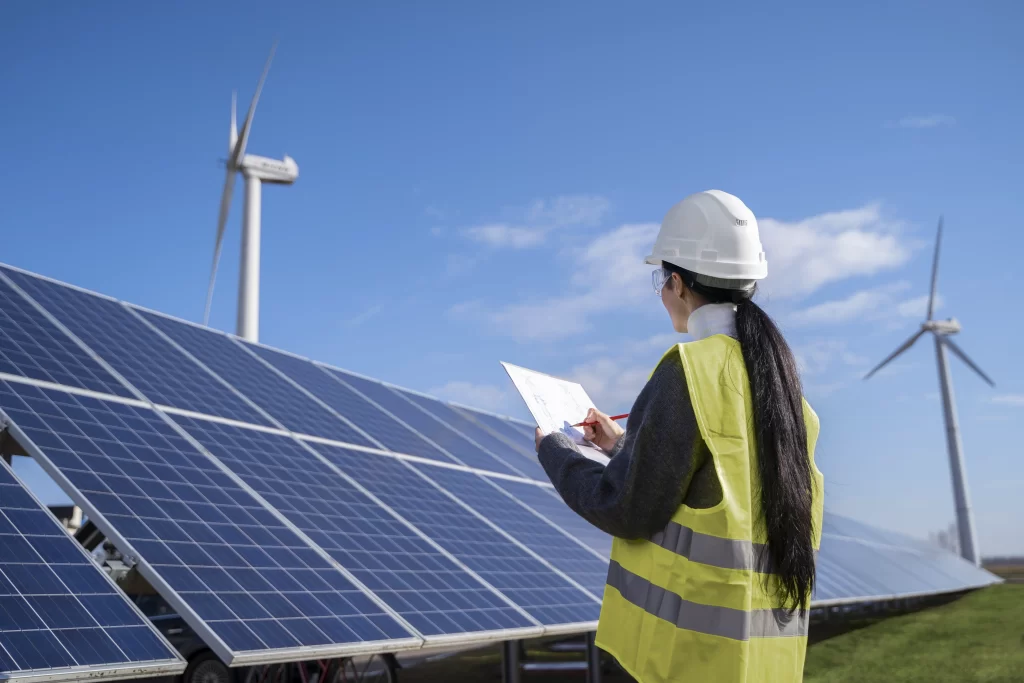
As we cast our gaze upon the landscape of our worlds future, it is unmistakable that renewable energy stands as a cornerstone of our sustainable journey. The anticipation surrounding potential breakthroughs in the next decade is palpable, with the promise to redefine the energy sector in Canada and set us on track toward a cleaner and more environmentally responsible future.
Growing Momentum in Canada’s Renewable Energy Sector:
Change is invariably accompanied by challenge, but it also brings with it great opportunity. In this context, Canada’s renewable energy sector isn't just encountering change; it's embracing it wholeheartedly. As we witness dynamic transformations happening across solar power, wind energy, and bioenergy technologies sectors, one thing becomes clear – the industry isn't merely surviving; it's thriving.
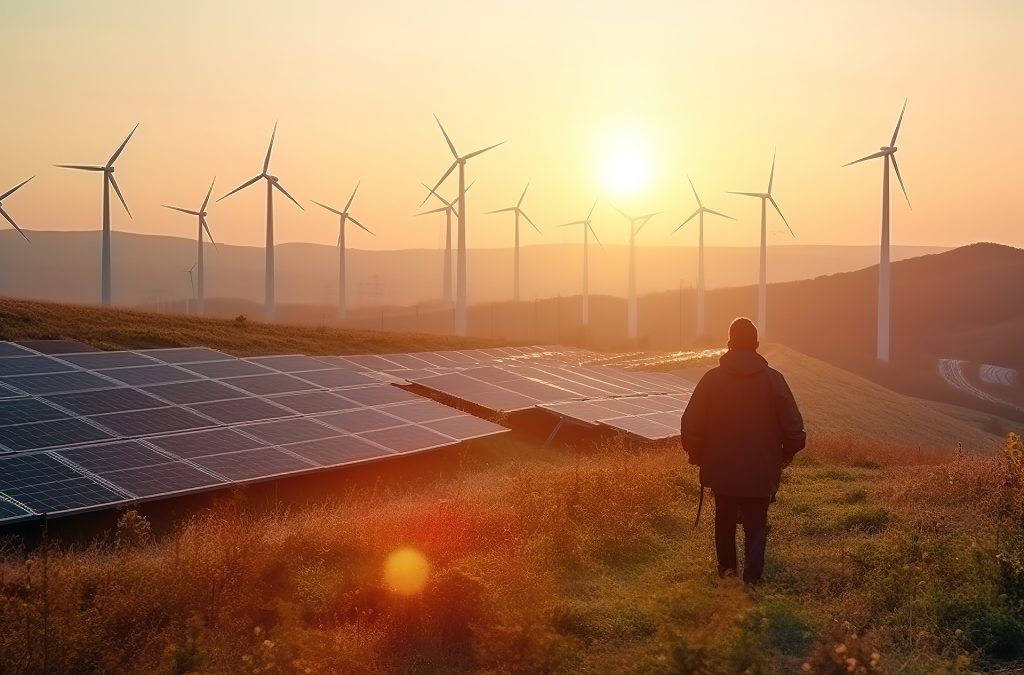
Alberta's once barren lands are now adorned with large-scale solar farms that stand tall as symbols of harnessing nature to serve mankind sustainably.
Ontario has become a hotbed of innovation with its ground-breaking wind turbine designs that challenge conventions and raise industry standards.
Both underscore a broader commitment within Canada to embrace this sector as a cornerstone of future economic development and environmental sustainability. By investing in such technologies:
- Environmental Impact: Both provinces are contributing significantly to reducing greenhouse gas emissions in Canada, aligning with global efforts to combat climate change.
- Economic Benefits: The push towards renewables is creating new jobs and industries within Canada, from research and development (R&D) to manufacturing and field operations.
- Energy Security: Diversifying their energy sources enhances both provinces' resilience against fluctuations in fossil fuel markets and ensures a more stable supply of electricity.
GH Power: Leading Innovation in Hydrogen Reactors:
A key player making strides in this field is GH Power with their game-changing hydrogen reactor project. This trailblazing innovation has significant implications for both the economy and carbon emissions reduction efforts.
GH Power’s hydrogen reactor has been drawing attention internationally - particularly from Europe’s economic powerhouses – for its potential as a lucrative export product. This development aligns seamlessly with the strategic objectives aimed at fostering a low-carbon economy.
One can’t ignore the environmental implications either. GH Power's zero-carbon hydrogen production directly contributes towards achieving Canada's 2030 climate targets. Their 2MW reactor yields pure hydrogen through an emission-free process - a promising leap forward!
Quidnet Energy: Harnessing Natural Resources through Modular Energy Storage:
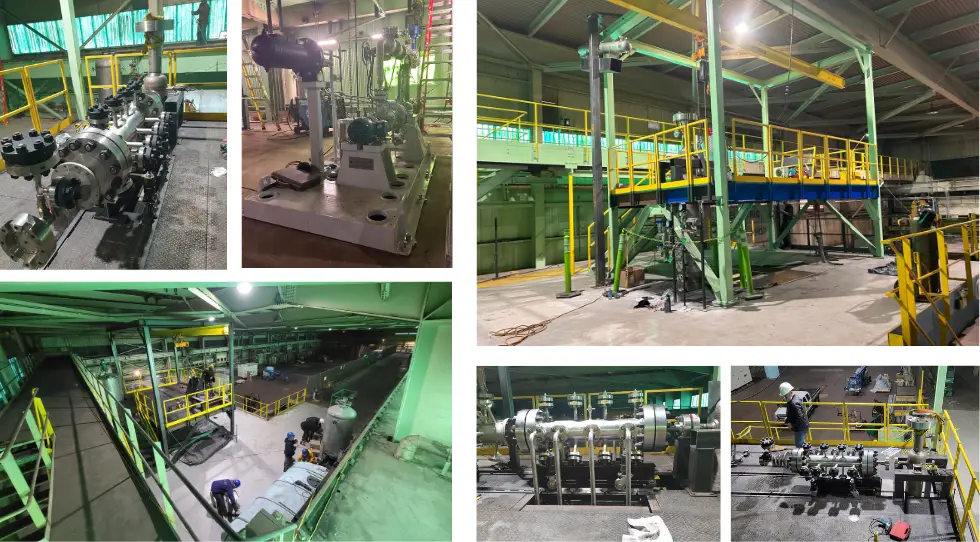
Quidnet Energy, with their pioneering modular energy storage technology, holds tremendous potential within the marketplace. The innovative approach of leveraging existing natural resources underpins their strategy for facilitating large-scale deployment across the country.
Their unique Geomechanical Pumped Storage (GPS) technology repurposes conventional well-drilling and construction methods into a new form of hydroelectric energy storage system using high-pressure water stored underground.
Quidnet’s solution stands out due to its broad deployability coupled with cost-effectiveness – characteristics that offer a competitive edge within the Canadian market.
To compound their promising outlook, they have formed strategic alliances and secured successful funding initiatives that underscore their commitment to advancing renewable energy developments in Canada. They've managed to secure $10M in federal support for clean-energy technologies – an impressive achievement that should not be overlooked!
Furthermore, they’ve established a 15-year agreement with CPS Energy, further endorsing their credibility and commitment in the field.
How Hydrogen Power Will Shape Canada's Future:
Hydrogen power is poised to play a pivotal role in Canada's energy transition. With its versatility and eco-friendliness, hydrogen can be utilized in various sectors, including transportation, heating, and industrial processes. Embracing hydrogen power will not only reduce carbon emissions but also foster technological innovation and create new job opportunities.
In Canada's Hydrogen Strategy, it is estimated that low-carbon fuels like hydrogen could provide up to 60% or more of the energy supply in a net-zero future source.
Importance of Renewable Energy in Canada's Future:
These breakthroughs collectively paint an optimistic picture for the future of renewable energy. Harnessing the power of solar, wind, and bioenergy, along with tapping into advancements in hydrogen power – we have a powerful arsenal at our disposal to meet our sustainability goals.
Not only can these sources reduce reliance on fossil fuels and mitigate climate change impacts, but they also foster a culture of innovation while creating new job opportunities. It's up to us Canadians to stay informed about these developments and lend our support to these transitions as we journey together toward a cleaner, greener future.