
The explosive growth of AI is reshaping global economies and industries, yet its voracious energy demands—projected to drive data center electricity consumption from around 415 TWh in 2024 to nearly 945 TWh by 2030—pose a stark threat to climate targets unless renewables take center stage. Solar power, augmented by hybrid systems incorporating wind, hydro, geothermal, and advanced storage, stands out as the most scalable solution for meeting these needs efficiently and affordably, though geopolitical supply chain risks and grid infrastructure bottlenecks demand urgent attention. This article delves into these renewable pathways, their synergies, emerging innovations, and Canada's strategic advantages—from its hydro-rich grid to policy incentives—in leading a sustainable AI expansion.
The Energy Crisis in AI Data Centers
The AI boom is transforming industries, but it's also devouring electricity at an alarming rate. Globally, data centers consumed around 415 TWh in 2024, about 1.5% of total electricity use, with growth at 12% annually over the past five years. Projections show this doubling to 945 TWh by 2030, representing nearly 3% of global consumption. In the U.S., data centers could account for up to 9% of electricity by 2030, rising from 4% today. A single AI query can use up to 10 times more power than a standard Google search, underscoring the intensity of these operations.

Without a shift to renewables, this surge risks spiking emissions. If powered predominantly by fossil fuels, AI's growth could undermine net-zero goals. Overall data center demand might jump 175% by 2030, far outpacing current renewable deployment in many regions. In Canada, where 82% of our grid is non-emitting thanks to hydro dominance, we're better positioned, but even here, provinces like British Columbia are implementing competitive bids for AI loads to manage grid strain.
Solar Power as a Cornerstone for Scaling
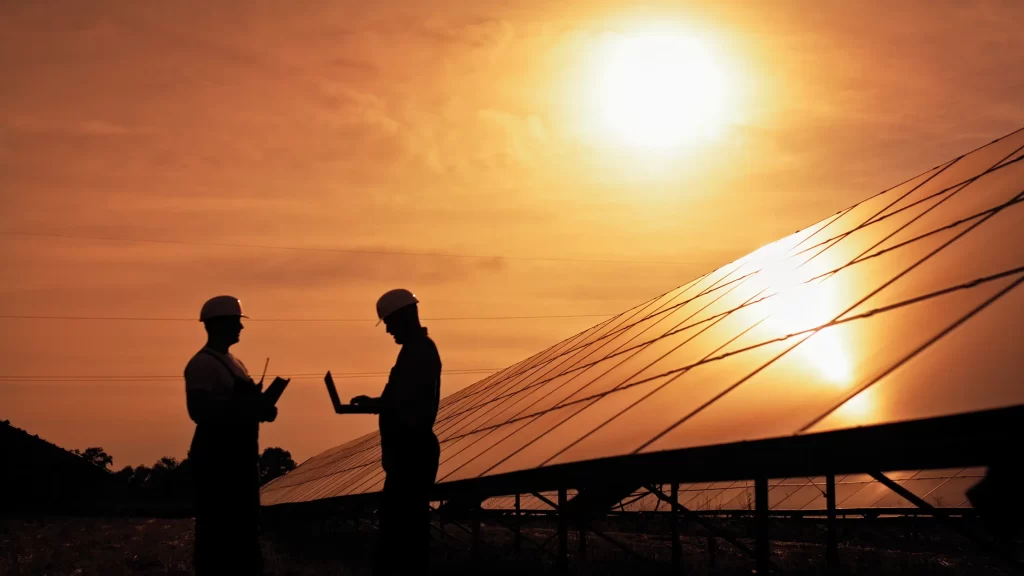
Solar emerges as the fastest, most cost-effective renewable for data center expansion. Its deployment speed—often 18-24 months for behind-the-meter installations—makes it ideal for AI's urgent timelines. Google, for instance, is powering Texas facilities with solar, including a $40 billion investment in new campuses paired with on-site solar and storage. Microsoft has signed PPAs for 475 MW of solar in the U.S. Midwest, adding to its global renewable portfolio.
Yet, solar's intermittency—dependent on weather and daylight—poses challenges for 24/7 data center needs. Solutions like co-location minimize transmission losses, and falling storage costs help "firm" output. In Canada, solar complements our hydro base; projects in Alberta and Ontario show how hybrid solar setups can scale efficiently, leveraging our vast land for utility-scale farms.
Complementary Renewables – Wind, Hydro, and Geothermal
Wind pairs excellently with solar, providing power when the sun dips. Amazon leads in wind PPAs, with deals supporting data centers worldwide. Its scalability shines in windy regions, though intermittency requires backups. Hydro offers reliable baseload; Canada's 60% hydro share powers facilities like those in Quebec and B.C., where low costs attract AI investments.
Geothermal delivers constant clean energy. Meta and Google are partnering with firms like Sage Geosystems and Fervo for projects up to 150 MW, expanding beyond traditional hotspots through enhanced techniques. These sources could meet half of demand growth by 2030, curbing fossil reliance. In Canada, geothermal pilots in Alberta leverage oil expertise for AI-friendly baseload.
Hybrid Systems and Innovative Solutions
Hybrid "energy campuses" integrate renewables on-site. Google's Intersect Power partnerships create gigawatt-scale parks with solar, wind, and storage. Battery integration smooths intermittency, with costs dropping to enable 100% renewable ops.
Nuclear complements hybrids; Microsoft's Three Mile Island revival provides 835 MW for data centers. AI-optimized grids enhance efficiency. In Canada, TELUS's renewable facilities exemplify hybrids, blending hydro with solar for PUEs of 1.15.
Geopolitical Dimensions of Renewable AI Infrastructure
Renewable supply chains for AI rely on critical minerals like rare earths, dominated by China, risking disruptions. U.S.-China rivalry intensifies; export controls push self-reliance, while interconnected grids heighten cyber risks.
The AI boom could hinder Global South transitions. Cooperation might ease tensions, but regulatory splits fragment progress. Canada's neutral stance and mineral wealth position us as a bridge, exporting sustainable models amid U.S.-China friction.
Canada's Strategic Edge in Sustainable AI Scaling
Canada's cold climate slashes cooling needs, while our 85% renewable grid—dominated by hydro—offers clean, reliable power. Federal incentives up to CAD$15B target sovereign AI infrastructure. TELUS's facilities achieve 99% renewables with low PUEs, and Indigenous-led projects add equity.
We could export "sustainable-by-design" frameworks, balancing growth with emissions. Provinces like Quebec attract hyperscalers with hydro abundance, positioning Canada as an AI powerhouse.
Overcoming Barriers to Renewable Scaling
Grid constraints delay projects; solutions include co-planning and flexible ops. High upfront costs deter adoption, but incentives like India's BESS support help. Water use for cooling and material sourcing risks add trade-offs.
Recommendations: Prioritize hybrids, invest in storage, and set international standards. In Canada, addressing interconnection queues will unlock our renewable potential.
Final Thoughts
Solar-led renewables, enhanced by wind, hydro, geothermal, and hybrids, offer humanity's strongest path to sustainable AI scaling. Canada, with our clean grid and strategic advantages, is primed to lead. Policymakers must tackle geopolitics and barriers to ensure AI propels progress without environmental harm. True intelligence means innovating responsibly—powering the future without dimming the planet.